Ear Surgery / Otoplasty
What is Otoplasty Surgery?
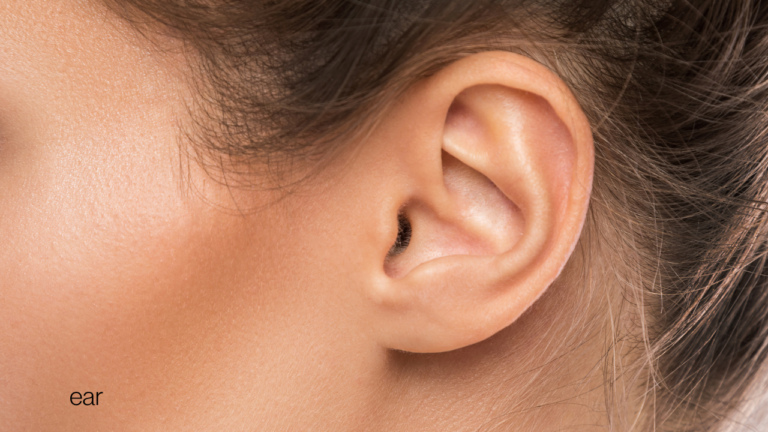
Otoplasty, or ear reshaping surgery, can improve the position or shape of the ear. It is often performed to correct a congenital difference in the structure of the ear that becomes more prominent over time. However, otoplasty can also treat deformed ears that have resulted from an injury. Ear surgery is performed to improve the balance and proportion between the face and ears. This surgery is an elective procedure that is often used for cosmetic purposes.
Who Is a Good Candidate for Ear Surgery?
Otoplasty can be performed on children who are as young as seven years old. At age seven, the ears have typically reached their adult size. While this surgery can also be beneficial for adults, it is most common for children who feel self-conscious because of the size or shape of their ears. Smokers are not good candidates for ear surgery as smoking decreases blood flow to the body’s tissue and results in prolonged healing, increased scarring, infections, and other complications.
Benefits of Otoplasty
Ear reshaping surgery provides benefits that are both physical and emotional for children and adults alike. Benefits of otoplasty include:
- The correction of structural issues
- Improved confidence
- Improved balance between the ears and facial features
- Making the rest of the face appear more proportional
Ear Surgery / Otoplasty Before and After
 Before
  After
After  Before
  After
After When Can Otoplasty Be Performed on Children?
Ear reshaping surgery can be performed once the ears are mostly developed. This typically occurs around the age of seven years old. Surgery performed prior to this may increase the risk of compromising results or creating new deformities as the ears continue to grow and develop. Otoplasty can be performed once a doctor has determined that a child’s ear development is sufficient for surgery.
If you don’t have much space in your philtrum (at least 1.5 centimeters), the lip lift may not be a good procedure. Dr. Beaty needs to remove some of this skin to provide the lift.
What Happens During an Ear Surgery Consultation?
Prior to the surgery, all patients must meet with our facial plastic surgeon, Dr. Mark Beaty, for an otoplasty consultation. During the consultation, personal goals and realistic expectations will be discussed. A complete medical history in addition to a thorough examination of the structure of both ears will also be performed. Your surgeon will use this appointment to determine whether or not you are a good candidate for ear surgery, and the extent of surgery he will perform. This is a great time to ask any questions you may have prior to undergoing otoplasty.
“You will not meet a nicer, more caring doctor than Dr. Beaty. I felt at ease from the moment I met him. He takes his time to listen and fully explains the treatment plan that he feels will best suit your individual need. He personally called me the evening following my surgery to check on how I was feeling. I am so glad I found him!”
How Should I Prepare for Ear Surgery?
Being adequately prepared for any surgery can minimize the inherent stress related to the procedure. The best way to begin getting ready for otoplasty is to follow the directions provided to you by our office. You may be prescribed a few medications before the date of surgery. These should be filled right away so they are ready for use on the day of surgery. Depending on the medications prescribed, some patients may begin dosing shortly before surgery.
In addition to filling prescriptions from the doctor, patients may also be advised to stop taking nutritional supplements and certain medications, such as ibuprofen or blood thinners. Patients should also avoid nicotine, smoking, including vaping, and alcohol for about two weeks before surgery.
How Is the Otoplasty Procedure Performed?
Otoplasty is an outpatient procedure that is typically performed under local or general anesthesia. The surgery takes about one hour per ear. During surgery, Dr. Beaty will make a well-hidden incision behind the ear. These incisions will give him access to shave, bend, or remove excess cartilage from the ear. Special sutures will then be used to reshape the ears back to a more natural position. After completing reshaping the ear, a compressive head wrap is placed on the ear to maintain its intended position.
What Results Can I Expect After Ear Surgery?
Fortunately, the results from ear surgery are both immediate and permanent. Immediately after otoplasty surgery, the ears may appear slightly overcorrected. However, this is because a bit of rebound is expected during the healing process. Patients who undergo otoplasty enjoy natural-looking, proportional ears. These patients may also benefit from a renewed sense of confidence and improved balance between the ears and face.
What Is the Otoplasty Recovery Process?
After otoplasty surgery, patients can expect some swelling and bruising. Patients will be instructed not to remove the compressive head wrap until one day following the procedure.
When the head wrap is removed, patients will be directed to wear an elastic headband for several weeks in order to maintain the ear’s proper position during healing. While most patients return to work or school within 5-7 days after the procedure, physical activities, specifically contact sports, should be avoided for at least a month.
What Will My Scarring Look Like After Ear Surgery?
Otoplasty incisions are typically made where the ear meets the scalp. In this natural crease, it is difficult to see resulting scars even when the hair is short or worn up. Over time, scars typically continue to fade and become less noticeable.
What Are the Risks of Ear Surgery?
The risk of complications is rare and can be minimized by following the pre- and post-operative instructions provided by your surgeon. Potential risks include infection, bleeding, asymmetry, unfavorable scarring, or the need for revision surgery.
Additional Frequently Asked Questions About Otoplasty
How Should I Sleep After Otoplasty?
To protect the results of otoplasty and limit side effects like swelling and discomfort, patients are encouraged to sleep with their head propped on pillows. Elevating the head helps swelling resolve more quickly. Pillows placed along the sides of the body may help maintain a comfortable sleeping position.
How Long After an Otoplasty Can I Shower?
Patients may shower the second day after their otoplasty surgery. When showering and washing hair, avoid rubbing the area just around and behind the ears.
Is Otoplasty Covered by Insurance?
Otoplasty is generally considered a cosmetic procedure. Not being medically necessary, the surgery is typically not covered by insurance. Beaty Facial Plastic Surgery and MedSpa does not participate with insurance plans. However, we are happy to provide CPT codes and the necessary documentation for patients who wish to submit claims to their insurance independently.
Will Otoplasty Affect Hearing?
Otoplasty does not affect hearing. The procedure is limited to the outer ear and focuses on reshaping or repositioning the ear cartilage to improve its appearance. It does not involve the ear canal, eardrum, or inner ear structures that are responsible for hearing. Because of this, patients should not experience any change in hearing ability following ear surgery. In some cases, patients, especially children,may feel more comfortable wearing glasses, headphones, or protective headgear after otoplasty, but hearing function itself should remain unchanged.
Is Otoplasty Permanent?
Yes, otoplasty results are considered permanent. Once the ears are repositioned and healed, they typically maintain their new shape and position long term. While the ears will continue to age naturally, the structural changes made during surgery are designed to be lasting.
Will My Ears Look Natural After Otoplasty?
When performed by an experienced facial plastic surgeon like Dr. Beaty, otoplasty is designed to create natural-looking results that are balanced with the rest of the face. The goal is not to make the ears look “pinned back,” but rather to improve their position and shape so they appear more proportional and harmonious with facial features.
Will Otoplasty Affect Wearing Glasses or Headphones?
After healing, otoplasty should not interfere with wearing glasses, headphones, or other headgear. During the initial recovery period, patients may be advised to avoid pressure on the ears while swelling subsides. Once fully healed, most patients find that glasses and headphones fit comfortably and may even feel more natural than before surgery.
Schedule a Consultation Today!
Do not hesitate to book a consultation. Call today, or submit an online contact form and our office will get back to you. Our physicians and staff look forward to serving your needs!