Rhinoplasty
What Is Rhinoplasty?
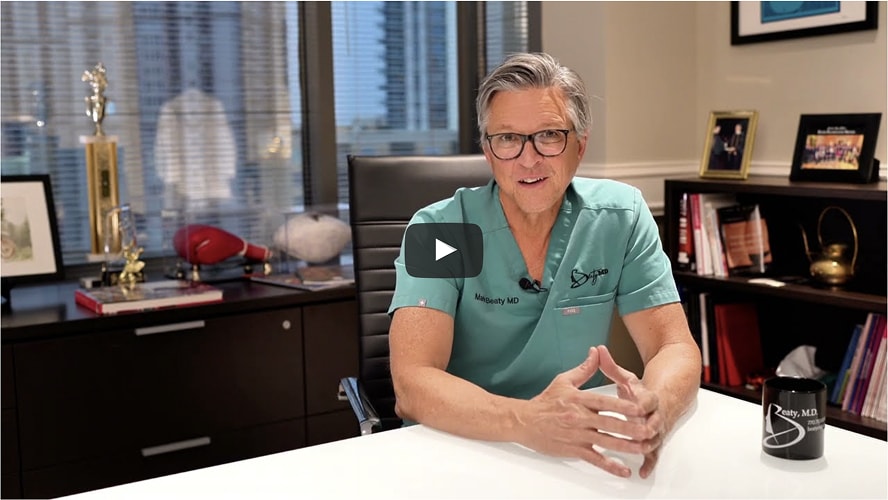
Rhinoplasty, or a “nose job,” is the surgical alteration of the nose to change its shape or improve its function. Through rhinoplasty, you can finally have the nose you’ve always wanted. During the operation, Dr. Beaty can reshape the nose to suit your needs, from eliminating humps to narrowing or changing its size. To give the nose a natural appearance, the procedure often includes several parts of the nose, such as the tip, profile, and width. This helps to ensure that the end result remains balanced and harmonious with the rest of the facial features.
Our double-board certified facial plastic surgeon Dr. Mark Beaty, is passionate about helping patients achieve their cosmetic and functional goals through rhinoplasty. They will take the time to understand your individual preferences and create a treatment plan designed to help you attain the nasal aesthetic you desire.
Explore Topics On This Page:


What Are the Benefits of Rhinoplasty?
A rhinoplasty procedure is particularly beneficial for a patient who wants to:
- Improve the size, shape, and overall appearance of a nose
- Improve a droopy or enlarged nasal tip
- Fix an off-center or crooked nose
- Alter large, wide, or upturned nostrils
- Reduce visible bumps on the nasal bridge, or an asymmetrical nose.
- Correct a nose disfigurement that has occurred because of a previous injury or birth defect
- Correct a deviated septum or a nose-related breathing problem.
The overall goal of a nose job is to correct the proportions of the nose in order to create facial balance and solve any nasal breathing concerns. Instead of drastically changing an individual’s appearance, nose surgery enhances natural beauty. As a result, Dr. Beaty’s patients often benefit from improved confidence and self-esteem.
Rhinoplasty Before and After
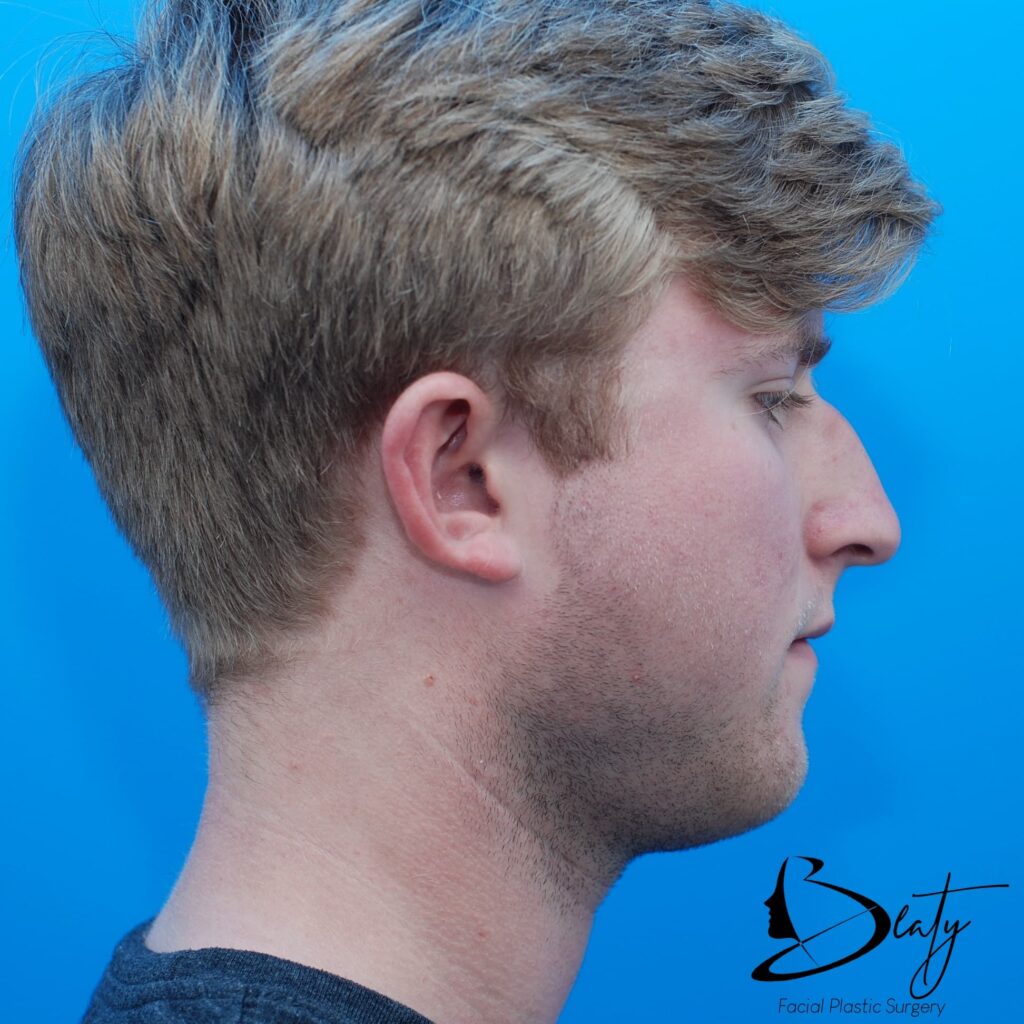 Before
 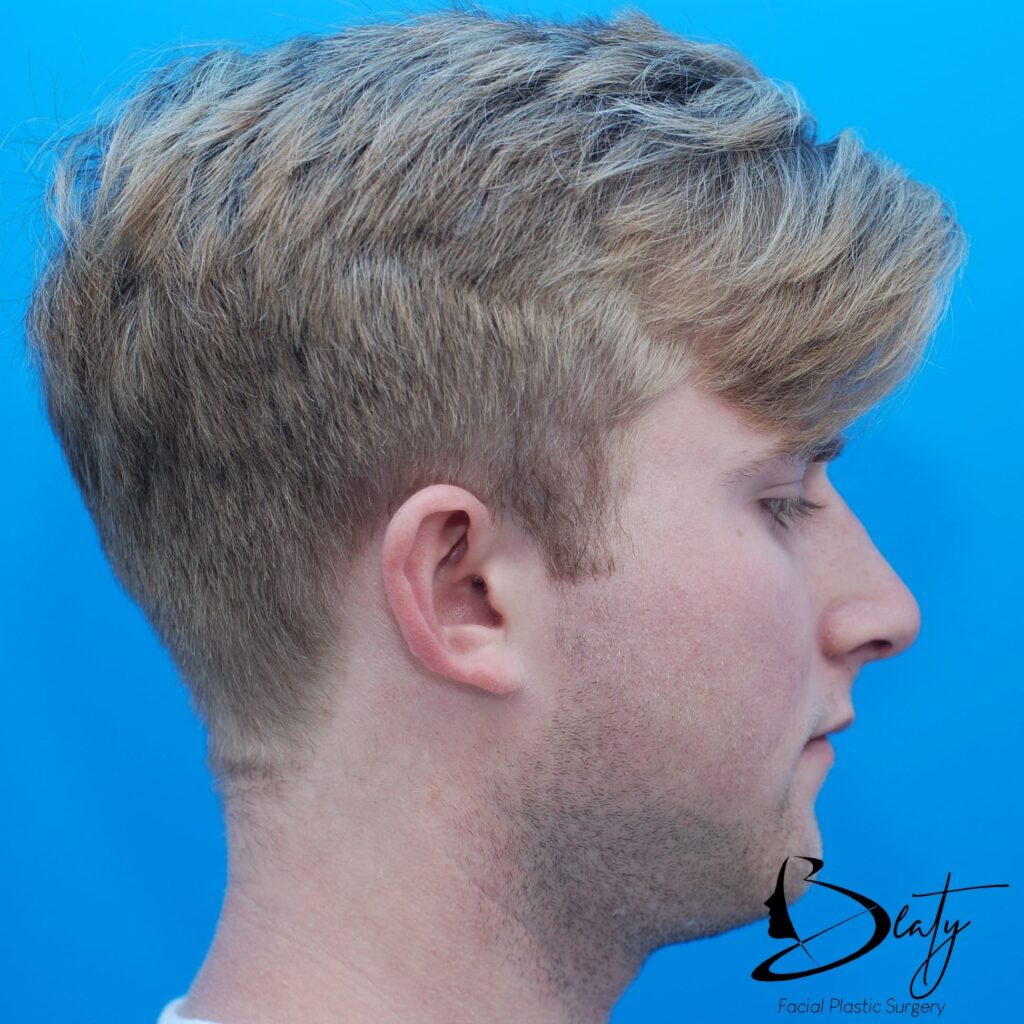 After
After  Before After
 Who Is a Candidate for a Nose Job?
Healthy patients who are looking to improve the appearance or function of their nose are usually the ideal candidates for rhinoplasty. Since nose surgery should only be performed on patients with a fully developed nose, patients should be at least 15 years old.
All rhinoplasty candidates must also have a positive attitude and realistic expectations of surgical results. It’s important to note that individuals with bleeding disorders such as hemophilia are not good candidates for this procedure.
What Can I Expect During a Rhinoplasty Consultation?
All candidates interested in rhinoplasty will meet with Dr. Beaty for an initial consultation. This consultation will consist of a discussion of the patient’s medical history, the motivation for the surgery, aesthetic goals, and expectations.
To eliminate any guesswork, our surgeon uses visual imaging software to modify the patient’s photograph during the consultation, performing a virtual Rhinoplasty. By giving them a glimpse of the future, patients can see for themselves if the desired changes will create the anticipated result. This leaves them with plenty of time to make adjustments before going under the knife. These photos are also useful during post-surgery evaluations and used for reference during the procedure.
“Dr. Beaty is amazing! I seriously cannot recommend him enough. Both office locations have a luxurious but inviting feel, and all of the staff are friendly and knowledgable. I had a rhinoplasty done and Dr. Beaty answered all of my questions and eased any concerns I had about the procedure. The healing process has been a breeze, and Dr. Beaty has checked in with me regularly to ensure I am healing properly. He truly cares about his patients. I absolutely love my results and have never felt more confident in my appearance! Thank you to Dr. Beaty and the entire staff at Beaty Facial Plastic Surgery! ”
How Do I Prepare for Nose Surgery?
Prior to rhinoplasty surgery, patients must:
- Stop smoking for at least six weeks prior to the procedure.
- Avoid taking anti-inflammatory drugs and aspirin.
- Stay hydrated.
- Avoid alcohol for five days before surgery.
- Make special arrangements for the day of the rhinoplasty surgery. A friend or family member should drive the patient home and stay with him or her for a few nights following the surgery to assist with personal care tasks during recovery.
What Is the Rhinoplasty Procedure Like?
The rhinoplasty procedure typically lasts one to three hours, but may take longer in certain situations. Depending on the patient’s individual needs and desired results, Dr. Beaty will perform either an open or closed procedure. Although the wide range of possible corrections makes it difficult to provide procedural details, our surgeon performs most rhinoplasty surgeries with the use of general anesthesia.
What Will My Nose Surgery Results Look Like?
Rhinoplasty results are permanent. Therefore, it’s crucial to understand what type of results can be expected prior to the procedure. Dr. Beaty’s rhinoplasty patients often experience life-changing results and a renewed sense of self-confidence.
In some cases, patients may choose to combine other facial plastic surgery procedures—such as a brow lift, eyelid lift (blepharoplasty), or chin augmentation—with their rhinoplasty for an even more comprehensive facial transformation.
What Are the Different Nose Reshaping Techniques?
Nose reshaping procedures may involve a variety of surgical and non-surgical techniques, each designed to address specific aspects of nasal form or function. Some approaches can be performed together to create the best possible outcome.
Traditional Rhinoplasty
Traditional rhinoplasty involves removing or repositioning underlying bone and cartilage to precisely reshape the nose. Dr. Beaty may use either an open or closed approach depending on the complexity of the case. Traditional rhinoplasty is highly versatile and remains one of the most effective methods for achieving dramatic yet natural-looking nasal refinement.
Revision Rhinoplasty
Revision rhinoplasty is performed to correct or improve upon the results of an initial nose surgery, typically when the initial procedure did not meet expectations or caused complications. It focuses on enhancing the function of the nose while bringing it into greater harmony with the face. Since revisional procedures are more complex due to previous changes to the nasal structures, it is crucial to collaborate with an experienced facial plastic surgeon with advanced knowledge of nasal anatomy and aesthetics.
Preservation Rhinoplasty
Preservation rhinoplasty is a surgical approach that emphasizes maintaining the natural structures of the nose. Unlike traditional rhinoplasty, which often involves significant reshaping and removal of tissues, preservation rhinoplasty seeks to conserve existing nasal anatomy and reposition structures rather than remove them. This technique can often achieve just as much improvement as traditional structural techniques while maintaining the external anatomy of the nose, enhancing its natural appearance. The preservation approach is particularly important when improving a nasal hump. With preservation techniques, the hump is lowered by removing tissue from below rather than resecting the hump, preserving the natural dorsal aesthetic lines.
By minimizing tissue trauma and structural alterations, often in combination with ultrasonic bone reshaping, preservation rhinoplasty may result in reduced swelling, faster recovery times, and more predictable outcomes. This technique can be ideal for patients interested in refining the appearance of their nose while maintaining its individual character. Dr. Beaty is completely up to date on these techniques and participated in a teaching laboratory focusing on preservation rhinoplasty in 2022.
Ultrasonic Rhinoplasty
Ultrasonic rhinoplasty is a surgical approach that uses an ultrasonic device to shape the nasal bones rather than the traditional osteotome and mallet technique. Unlike traditional rhinoplasty, this device is less traumatic to the bones and surrounding tissue. This technique aims to create more precision in nasal shaping to take down dorsal humps and move the nasal bones inward to enhance its natural appearance. By minimizing tissue trauma and precisely shaping nasal bones, ultrasonic rhinoplasty often results in reduced swelling and a quicker recovery. This option can be ideal for patients with thin skin in order to avoid irregularities.
Septoplasty
Septoplasty is performed to correct a deviated septum, which can cause breathing difficulties, nasal obstruction, and sinus issues. By straightening the nasal septum, this functional procedure improves airflow through the nostrils without necessarily altering the nose’s external appearance. When both cosmetic and functional changes are desired, septoplasty is often combined with rhinoplasty in a septorhinoplasty.
Alarplasty
Alarplasty is a surgical technique that reduces the width or flare of the nostrils by reshaping the alar base—the area where the nostrils meet the cheeks. It focuses on the skin and soft tissue rather than the nasal bone or cartilage. This procedure is often performed to improve nasal balance and facial harmony, either on its own using local anesthesia or alongside rhinoplasty for more comprehensive results.
Tip Plasty
Tip Plasty is a focused surgical procedure that reshapes the tip of the nose without altering the overall nasal structure. It is ideal for patients who are happy with their nose overall but want to refine a tip that is bulbous, drooping, asymmetrical, or overly projected. During your consultation, Dr. Beaty will evaluate your anatomy to determine whether tip plasty alone can achieve your goals or whether a more comprehensive rhinoplasty approach is recommended.
Tip Rhinoplasty Before and After
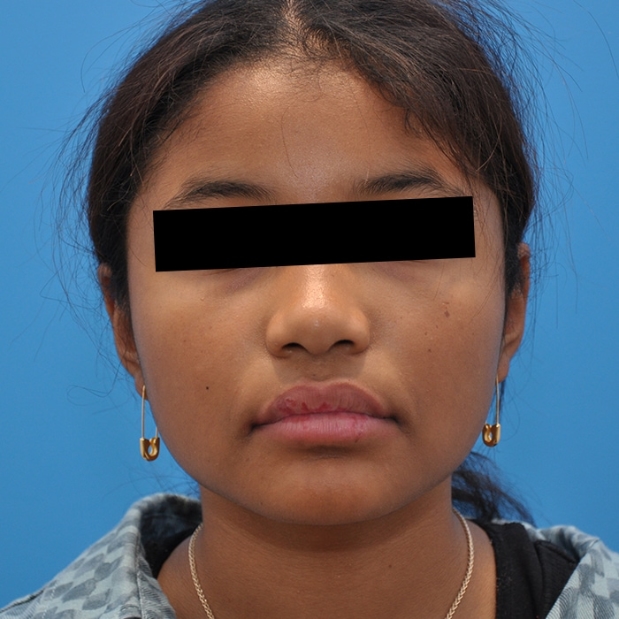 Before
 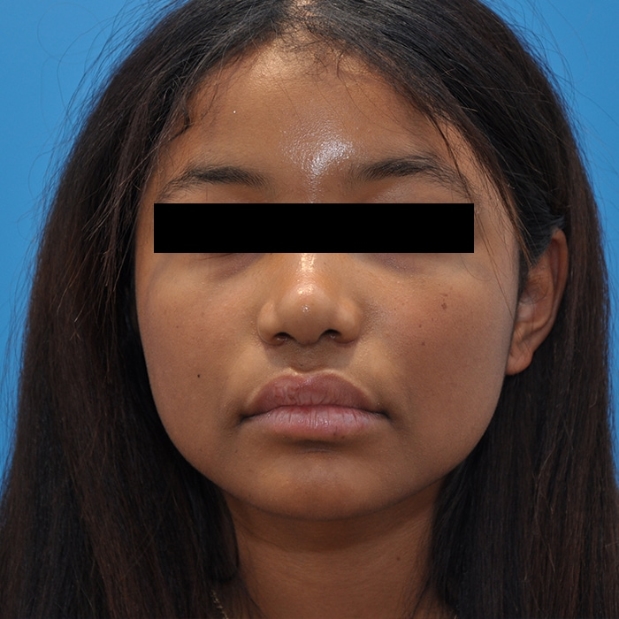 After
After Non-Surgical Rhinoplasty
A non-surgical nose job may be an option for patients not yet ready to commit to a surgical procedure. Non-surgical rhinoplasty is done by using injectable fillers to reshape the nose or smooth a bump. Not all imperfections can be corrected through non-surgical rhinoplasty as a nose cannot be made smaller without a surgical procedure.
What Is Recovery Like After Surgical Rhinoplasty?
In order to protect the nose during the initial phase of healing, patients wear a splint for one week after the operation. The splint will be removed within 7-10 days following the surgery. Nasal packing is not necessary for most rhinoplasty procedures. Although patients can expect some bruising and swelling around the eye area, these symptoms typically resolve themselves within 2 weeks. Patients may notice subtle changes in the shape of the nose, particularly at the nasal tip, over the next 12-18 months.
After the surgery, most patients return to their normal activities within a week or two. Patients are encouraged to avoid strenuous activities for several weeks after the surgery but may resume lighter activities after a few days. Additionally, patients should not wear glasses without proper support to keep pressure off of the nose for a few months.
Are There Any Restrictions After Nose Surgery?
While you will be able to resume normal activities about a week after surgery, you will have to protect your nose while it heals by observing the following directives during the post-operative period:
- Avoid blowing your nose
- Avoid strenuous activities
- Take baths instead of showers
- Brush your teeth gently
- Limit dietary sodium
- Avoid pulling clothing over your head
- Use sunscreen of SPF 30 or higher
- Do not use ice packs
- Avoid making exaggerated facial expressions
Are There Any Risks Associated With Rhinoplasty?
Complications from a rhinoplasty are rare and when they do occur, usually minor. These may include infection, nosebleed, or a reaction to the anesthesia. Some patients may experience recurring nosebleeds or numbness in or around the nose. On rare occasions, the nasal septum may be perforated, but this can be repaired. In general, a rhinoplasty is considered a very safe surgical procedure.
“Dr. Beaty was so easy to work with. He has the confidence that put my mind at ease about my nose reshaping, rhinoplasty surgery. As Dr. Beaty encouraged, I chose to have my surgery at the Chastain Surgery Center and had a wonderful experience. It feels like a spa rather than a hospital. The nurses are very nice as well and the front desk lady is hospitable. In fact, today they called me checking on me and ensuring that I was revisiting Dr. Beaty for my post operation appointments. I have had a one day, one week, and two week post op appointment with Dr. Beaty each at which he has been very welcoming and enthusiastic about my post surgery recovery. I highly recommend Dr Beaty for any procedure but especially rhinoplasty as he is the best in Atlanta.”
Additional Rhinoplasty Frequently Asked Questions
Is Rhinoplasty Covered By Insurance?
Beaty Facial Plastic Surgery and MedSpa does not accept insurance. For patients who wish to explore potential reimbursement independently, we can provide the necessary CPT codes and documentation to submit a claim to your provider on your own behalf.
How Is Open vs. Closed Rhinoplasty Different?
The main difference between open and closed rhinoplasty is where the incisions are placed. In a closed rhinoplasty, all incisions are made inside the nostrils, leaving no visible external scarring. In an open rhinoplasty, a small additional incision is made across the columella, the narrow strip of tissue between the nostrils, which allows Dr. Beaty to lift the skin and access the nasal structures with greater visibility.
Open rhinoplasty is typically preferred for more complex cases that require precise reshaping, while closed rhinoplasty may be appropriate for more limited corrections. During your consultation, Dr. Beaty will recommend the approach best suited to your anatomy and goals.
Will Rhinoplasty Improve My Breathing?
In many cases, yes. If your breathing difficulties are caused by a structural issue such as a deviated septum or collapsed nasal valves, rhinoplasty can be combined with septoplasty or other functional corrections to improve airflow. Patients who undergo this combined approach, sometimes called septorhinoplasty, often experience meaningful improvements in nasal breathing alongside their cosmetic results.
If breathing is your primary concern, Dr. Beaty will evaluate the underlying cause during your consultation and determine whether a functional component should be included in your procedure.
Will My Sense of Smell Change After Rhinoplasty?
Most patients do not experience a permanent change in their sense of smell after rhinoplasty. Some patients notice a temporary reduction in smell during the early recovery period due to swelling and congestion inside the nose, but this typically resolves as healing progresses. In rare cases where functional corrections are performed alongside cosmetic reshaping, improved airflow can actually enhance the sense of smell over time. Dr. Beaty will discuss what to expect during recovery based on your specific procedure.
Does Rhinoplasty Differ for Men vs. Women?
Yes, while the surgical techniques are similar, the aesthetic goals for male and female rhinoplasty differ in important ways. Female rhinoplasty typically aims for a more refined, softened appearance, often with a slightly upturned nasal tip and a smooth profile.
Male rhinoplasty, on the other hand, focuses on maintaining strong, masculine proportions, preserving a straight or minimally refined bridge and avoiding a result that appears overly delicate. Dr. Beaty tailors every rhinoplasty to the individual patient's facial anatomy and aesthetic preferences, ensuring results that look natural and harmonious for each person.
Schedule Your Rhinoplasty Consultation
Our surgeon specializes in facial plastic surgery. He is also an expert in providing non-surgical and minimally invasive options to deliver the best results. If you would like to learn more about our services or schedule a consultation, please contact us online or call us to speak with one of our experts.