Facelift ProLIFT™
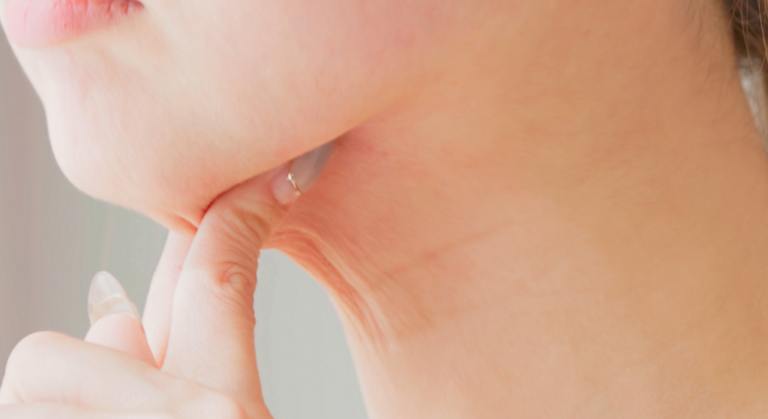
Facial skin is some of the thinnest on the entire human body, and it takes a beating from the sun, other environmental factors, and from personal habits such as smoking. Plus, the declining production of collagen—the protein that provides structural support for the skin—causes the facial skin to sag and allows wrinkles and creases to form.
A traditional facelift, deep plane facelift, or a ProLIFT™ with Dr. Mark Beaty, a double board-certified facial plastic surgeon in Atlanta and Alpharetta, can turn back the clock on facial aging by a decade or more. Dr. Beaty is one of a select few surgeons offering the full spectrum of facelift techniques, including the advanced deep plane approach, to ensure every patient receives the method best suited to their anatomy and goals.
Explore Topics On This Page:
- What is a Facelift?
- Facelift Treatment Areas
- Facelift Benefits
- Best Age for a Facelift
- Facelift Before & After Photos
- Facelift Candidates
- Facelift Techniques
- Mini Facelift Facelift
- ProLIFT™ Facelift
- Deep Plane Facelift
- Preservation Deep Plane Facelift
- Facelift Procedure
- Facelift Recovery
- Facelift Results
- Facelift Risks
- Facelift Scars
- Non-Surgical Facelift
- Complements to Facelift
- Why Choose Us for Your Facelift?
What is a Facelift?
Because of the name, some people assume a facelift addresses aging on the entire face, but that’s not the case. A facelift is a surgical procedure that addresses the visible signs of aging in the mid and lower face and the upper neck. Dr. Beaty uses a variety of methods to smooth and tighten the skin of the cheeks, the chin area, and the upper neck. These include the ProLIFT™ technique, developed by Dr. Mark Beaty, which is described below. During the facelift or ProLIFT™ procedure, the skin is lifted and underlying muscle and tissue is repositioned to its former higher position. Excess skin is then trimmed.
What Concerns Can A Facelift Address?
These visible signs of aging respond well to facelift surgery:
- Mid-face sagging
- Jowls
- Fatty, loose areas below your cheekbones
- Banding, fatty tissue, and loose skin on your upper neck
- Deep nasolabial folds
- Loss of facial volume around the cheeks, mouth, and eyes
For patients with more advanced facial aging, the deep plane facelift may be recommended to achieve more comprehensive correction of the midface, jowls, and neck.
Facelift (ProLift™) Before and After
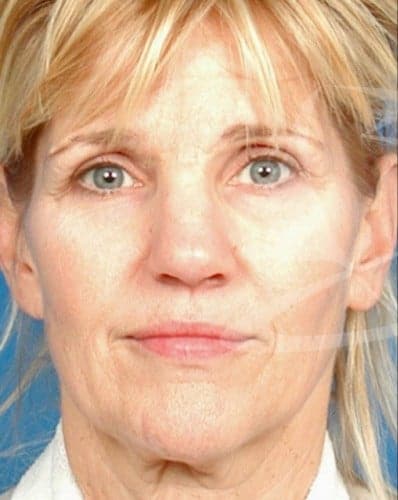 Before
 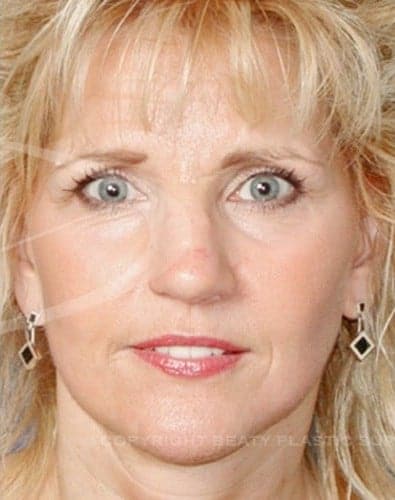 After
After 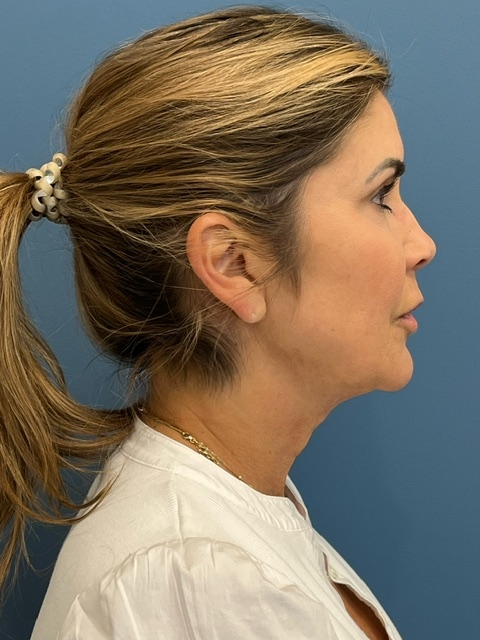 Before
 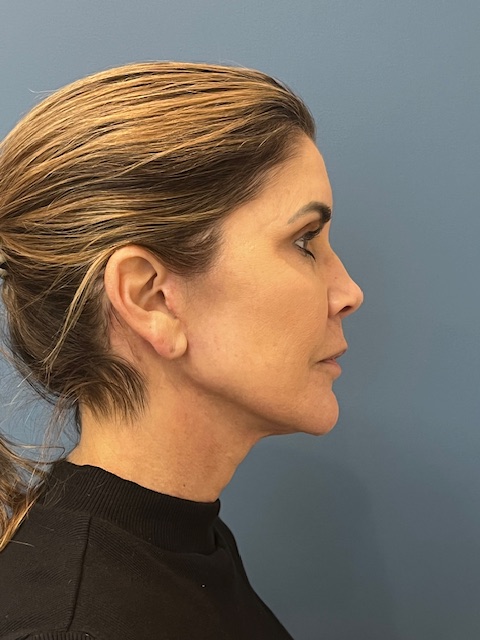 After
After Who Can Benefit From A Facelift?
Since the facelift and ProLIFT™ procedures are customized to the needs of each individual, they can be beneficial to a wide variety of patients who are concerned with their degree of facial aging. Whether you’re looking to correct early signs of aging, or have significant drooping or skin laxity concerns, the facelift and ProLIFT™ procedures offer the ultimate solution for a new and rejuvenated you.
What Is The Best Age For A Facelift?
Technically, there is no “best” age for a facelift, as each individual may show progressing signs of aging at their own rate. However, patients in their 40s, 50s, and 60s may find the procedure to be the most beneficial for their goals in achieving a more youthful facial appearance. Rather than focusing on age, individuals considering a facelift should do so based on the severity of visible aging signs in the mid and lower part of the face and neck. This can include fine lines, wrinkles, sagging skin, jowls, submental fat, and other aesthetic concerns. During a consultation, our surgeon will complete a thorough evaluation and discussion of goals to determine if the individual is an ideal candidate for facelift surgery or if an alternative treatment is preferred.
Am I A Good Candidate For A Facelift?
Thanks to declining collagen, sun damage, and the natural slackening of our skin and support tissues that comes with aging, many people over the age of 45 could benefit from a facelift. Your healing will proceed more effectively if you don’t smoke. Plus, you need to realize that a facelift will take 10 to 15 years off of your facial age, but it won’t stop the aging process, which will continue its inexorable march. Patients with more significant tissue laxity or deeper facial aging may be particularly well-suited for the deep plane facelift, which addresses the underlying structural causes of aging rather than the surface alone.
What Are The Different Facelift Techniques?
Facelift terminology can be confusing for patients, with many terms used which can have various meanings such as mini-lift, SMAS Lift, S-Lift, etc. Dr. Beaty is a widely recognized facelift expert, regularly lecturing on technique. He believes the most important concept in facelift is that each procedure should be matched to the individual patient, there is no cookie-cutter approach. There is little role in modern modeled facial surgery for skin-only techniques, effective and natural results can only be achieved by repositioning the supportive tissues of the face called SMAS.
The broad category of facelifting used by Dr. Beaty is primarily aimed at improving the contour of the cheeks, jawline, and neck include:
Minimal Incision Facelift
Patients with early signs of facial aging, particularly along the jawline and cheeks, may be a candidate for minimal incision facelift. This technique is used when there is not much excess skin to be removed and the supportive tissues of the face can be reached through limited access. With this technique the incisions are completely hidden behind the ear or within the hairline making it almost impossible to tell that you have had surgery. Younger patients desiring smaller amounts of correction are ideal candidates for this procedure and can enjoy a dramatically refreshed appearance with no visible signs of surgery.
ProLIFT™ Technique
The Progressive Limited Incision Facelift Technique, also known as ProLIFT™, is a facelift and neck rejuvenation procedure designed for each patient using their specific anatomy and tissue consistency for custom-tailored surgical results. Dr. Beaty developed the ProLIFT™ technique after many years of studying under several different esteemed mentors and mastering a full compendium of facelift techniques. The underlying method of the ProLIFT™ utilizes intraoperative analysis and advanced surgical practice to align a patient’s aesthetic concerns with the most natural-looking outcome. This means that all aspects of the procedure—from incision length and placement to how the facial tissues are repositioned and anchored—are designed specifically to each patient for optimal facial rejuvenation improvement.
It is important to note that although a ProLIFT™ may be performed with shorter incisions or more limited dissection to better accommodate certain patients, it is NOT a mini facelift, which can yield limited results. Each ProLIFT™ procedure is custom designed from consultation through surgery to give the best possible result for each patient. Through the ProLIFT™ approach, Dr. Beaty is able to evaluate each tissue plane during surgery to determine what is needed to release and reposition tissues, which allows him to use minimal incisions, no unnecessary maneuvers, and no extra dissection. Therefore, only tissue that needs to be modified must go through the healing process. This process helps to reduce swelling, bruising, and total healing time for an overall easier recovery and minimal downtime after surgery.
Deep Plane Facelift
The deep plane facelift is an advanced technique performed by a small subset of skilled and experienced facial plastic surgeons. Unlike more superficial facelift techniques, the deep plane approach releases and repositions the supportive tissues of the face—including the SMAS layer and the retaining ligaments—as a single unit with the skin. This comprehensive release allows the surgeon to address the root causes of facial aging rather than simply tightening the surface, resulting in a more natural, long-lasting outcome.
Because the tissues are repositioned in a natural vertical vector and anchored under no tension, the deep plane facelift excels at correcting the midface, nasolabial folds, jowls, and neck in ways that more limited techniques cannot fully achieve. Patients with moderate to advanced facial aging who want maximal improvement while still looking like themselves are ideal candidates for this approach. Since the skin and supportive tissues are elevated together as a single unit, the blood supply is preserved, which promotes better skin quality, reduced scarring, and results that stand the test of time.
Dr. Beaty tailors every deep plane facelift to the individual patient’s anatomy and aesthetic goals, ensuring that the outcome is refreshed and rejuvenated, never pulled or overdone.
Preservation Deep Plane Facelift
A preservation deep plane facelift is an advanced surgical technique designed to lift and rejuvenate the face while maintaining natural volume and minimizing tissue disruption. Unlike traditional facelifts, this approach carefully preserves the skin as well as the delicate ligaments and deeper facial structures, allowing for a smoother, more youthful appearance with longer-lasting results. By repositioning the underlying layers rather than pulling the skin, the preservation deep plane facelift further reduces tension, enhances definition, and helps prevent an overdone look. Ideal for individuals seeking drastic yet natural-looking facial rejuvenation, this technique also promotes better healing and minimizes downtime.
“Dr. Beaty is amazing! He is such a skilled and caring doctor. I appreciate the time he spent with me before my procedures to make me feel at ease. I knew exactly what the expect before, during, and after surgery. Honestly, I have never looked or felt better about myself. Now I actually look as young as I feel! Dr. Beaty has a fantastic staff too.”
How Is The Facelift Procedure Performed?
The ProLIFT™ / facelift procedure will begin with a consultation with Dr. Beaty. You can expect a comprehensive assessment of your facial skin, supportive tissue, and volume needs. Dr. Beaty will explain the recovery expectations as well as how you will be impacted by each step of the treatment to achieve your desired results. During the procedure, each step will be carefully evaluated to deliver maximum efficacy.
What Is Recovery From Facelift Surgery Like?
Facelift surgery involves a good deal of tissue lifting and repositioning, and this creates tissue swelling and bruising. Because Dr. Beaty doesn’t “pull” on the tissue—he lifts and repositions it—many patients find they experience less discomfort during recovery compared to other facelift methods such as plication and imbrication techniques.
Your first week or so you’ll need to sleep with your head elevated, making sure not to roll over onto your face. The first few days will be the most difficult, but then you’ll feel better quickly. As you recover, there may be some numbness in the lower face and neck. This is normal and is a result of the facial nerves adjusting to the re-draped skin. Most patients can return to work by the second or third week after surgery, though many of our patients feel ready to go back even sooner. Many are considered “restaurant ready” by the 2- to 3-week mark.
How Long Do Facelift Results Last?
The results created by Dr. Beaty with your facelift surgery are permanent. You’ll have to be patient while waiting to see your final results, as swelling can come and go, especially in the evening, for a few months. Most people think a facelift takes from 10-15 years off the age of their face. Deep plane facelift results tend to be especially enduring, as repositioning the deeper tissue layers rather than relying on skin tension alone creates a more stable, longer-lasting foundation for rejuvenation.
Of course, the aging process won’t stop. But your face will begin aging from a younger starting point, analogous to resetting a clock. To keep up with the process, many patients have a more limited second procedure in 5-10 years after having a full facelift. During this time, we often recommend periodic non-surgical maintenance treatments—such as injectables, skin tightening, or laser therapies—to help preserve and optimize your results over the long term.
What Are The Risks Of Facelift Surgery?
The risks are the same as with most cosmetic surgeries, including excessive bleeding, hematoma, and swelling. With facelifts, nerve injury due to re-draping is also possible but very rare. Usually this is temporary.
Will I Have Visible Facelift Scars?
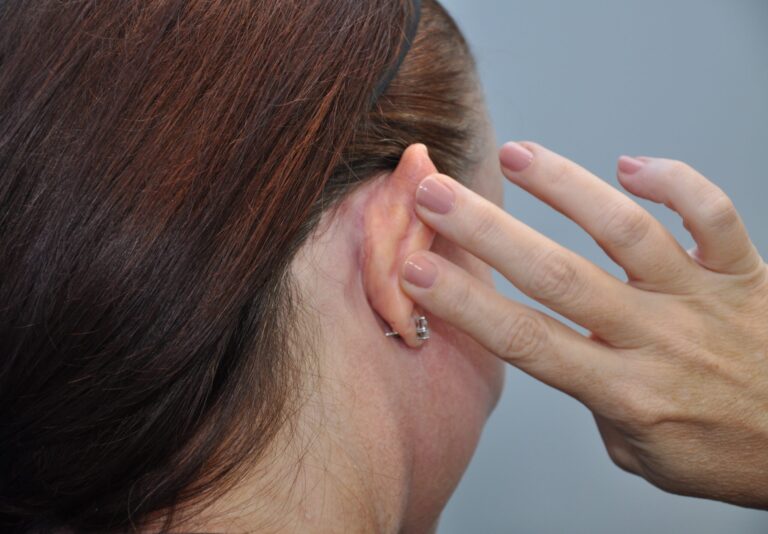
This depends on the method Dr. Beaty uses. For facelifts, Dr. Beaty is very successful at hiding the incisions in the hairline and behind the ears. Initially during your recovery your incision scars will be pink, but this will pass and they will turn white and then become less and less noticeable. To help this process along, you need to protect your incision lines from sun exposure during your recovery.
What is a Liquid Facelift?
You may hear liquid facelifts touted as an alternative to surgery. While injections of dermal fillers to return volume to areas such as sunken cheeks can show some improvement, they obviously can’t remove excess sagging skin and they can’t reposition muscle fiber. Plus, dermal fillers only last roughly 9-12 months, so the effects are fleeting. Dr. Beaty believes dermal fillers make a great addition after a facelift to fill out areas such as the lips, and they can help to maintain a facelift when you have some sagging in the future, but there really is no comparison between a surgical ProLIFT™ or facelift and a liquid facelift.
What Procedures Complement A Facelift?
While a facelift procedure can provide rejuvenating results to the lower face and neck areas, some patients may be interested in addressing signs of aging in the upper areas of the face as well. To help create a maximized outcome, there are additional treatments that can complement a facelift, including:
- Brow Lift – Repositions the eyebrows, smooths forehead wrinkling, and tightens excess skin for a more rested, youthful look.
- Eyelid Surgery (Blepharoplasty) – Removes excess skin, fat, and muscle from the upper and lower eyelids, corrects upper eyelid drooping, and reduces wrinkles and puffy eyelids.
- Face Liposuction – Targets excess fat in areas such as the neck and chin to create a more defined, angular face.
- Facial & Skin Rejuvenation – Enhances facelift results with minimally invasive techniques after patients are fully healed from surgery by using laser skin resurfacing, skin tightening therapies, microneedling, facials, and peels for a brighter, glowing complexion.
- Cosmetic Injectables & Dermal Fillers – Reduce or remove fine lines and wrinkles, restores volume, and fills in hollowed cheeks and lips for a restorative youthfulness.
Dr. Beaty will discuss all facial enhancement options during a personal consultation. He aims to address each patient’s concerns and goals for the most comprehensive treatment plan and optimal outcome.
Why Choose Beaty Facial Plastic Surgery & MedSpa for Your Facelift?
Beaty Facial Plastic Surgery and MedSpa offers a highly personalized approach to facelift surgery, led by double board-certified facial plastic surgeon Dr. Mark Beaty. With decades of experience and a focus on natural-looking outcomes, Dr. Beaty has earned national recognition for his advanced techniques—including the development of the ProLIFT™ facelift, a progressive method designed to deliver refined results with less downtime and tissue disruption.
Every facelift is tailored to the individual, with careful consideration of facial anatomy, aging patterns, and patient goals. The ProLIFT™ technique allows Dr. Beaty to customize every step of the procedure, minimizing incisions and optimizing facial rejuvenation while preserving your natural features. For patients with moderate to advanced facial aging, Dr. Beaty also performs the deep plane facelift, a technique mastered by only a select few facial plastic surgeons nationwide. Whether you are seeking early intervention or more advanced correction, our approach is grounded in surgical expertise, innovation, and aesthetic balance.
With locations in Alpharetta and Atlanta, our practice is known for creating a welcoming, supportive environment where safety, education, and individualized care come first. From consultation through recovery, our team is dedicated to helping you feel confident, comfortable, and well-informed every step of the way.
Find Out More About A Custom Facelift And Neck Lift
For a facial and neck rejuvenation treatment that will maximize your results and take years off your face, choose ProLIFT™. This revolutionary anti-aging procedure is only available at Beaty Facial Plastic Surgery and MedSpa.
Learn More about Dr. Beaty’s ProLIFT™ Technique:
Schedule a Consultation Today!
Do not hesitate to book a consultation. Call today, or submit an online contact form and our office will get back to you. Our physicians and staff look forward to serving your needs!